Tuesday, December 11, 2012

The Stories Behind Holiday Colors

http://sierraclub.typepad.com/greenlife/2009/12/emphasizing-the-green-in-kwanzaa.html
December is here, and that means individuals all around the world will be celebrating holidays like Hanukkah, Christmas, and Kwanzaa, just to name a few. The December season is a favored time of year that is associated with excellent food, gifts, and time spent with family. Not only that, holiday seasons are often represented by unique, symbolic colors. Have you ever wondered why certain colors are designated to different holiday seasons? Let’s find out…
 
What do Kwanzaa’s shades symbolize?

Kwanzaa, established in 1966, is one of the most recent holidays to be founded. The colors used in Kwanzaa celebrations are red, black, and yellow. Related to Kwanzaa, green stands for “the land of Africa and hope for the future.” Red symbolizes the blood of Africans who have passed away, whereas black represents the skin shade of Africans. Kwanzaa, which is a holiday that honors African-American culture, centers on creativity, faith, self-determination, and togetherness.

Blue and white are significant to Jewish culture.

Most people are aware of the fact that the blue and white shades represented in Hanukkah décor are the colors of the Israeli flag. But what do these shades symbolize? According to a rabbinical interpretation, blue represents divine revelation as well as heaven. Better than any other color, white symbolizes cleanliness and purity. These colors that are so prominent in the design of the Israeli flag are also displayed on the Jewish prayer shawl (tallit), making them an integral part of Jewish culture.

Why red and green for Christmas?

The famed shades for Christmas are, without a doubt, green and red. But what do these colors represent? Green is representative of the evergreen tree, which symbolizes eternal life and the resurrection of Jesus Christ. Red may represent the blood of Christ, but researchers are unsure of the exact symbolic meaning of this shade. What they do know, though, is that the combination of red and green likely stems from holly Christmas decorations that were used in Europe in the Middle Ages.

Make this Holiday season more memorable by creating your own seasonally themed works of art. Segmation offers a SegPlayPC Christmas Time pattern “paint-by-numbers” collection that makes it easy and fast to enjoy the Christmas Time celebration and more. Learn more about Segmation’s Christmas Time pattern collection by visiting http://www.segmation.com/products_pc_patternsets.asp#CHR. Sources: http://www.apartmenttherapy.com/what-color-is-your-holiday-chr-104238

Coming Soon:
Read Segmation’s exclusive article about the season that inspired so much of famed artist Norman Rockwell’s timeless works.

If you like this Segmation blog post, you may also enjoy:
  • Professionals Integrate Paint by Number Into Their Careers
http://segmation.wordpress.com/2012/12/03/professionals-integrate-paint-by-number-into-their-careers/
  • Learn to Make a Custom Paint by Number Pillow
http://segmation.wordpress.com/2012/11/26/learn-make-custom-paint-number-pillow/
  • Childhood Stories of Paint by Number
http://segmation.wordpress.com/2012/11/23/childhood-stories-paint-by-number/

Be an Artist in 2 minutes with Segmation SegPlay® PC (see more details here) Segmation

FREE Newsletter Join us on FacebookSegPlay® Mobile iTunes now available for iPhone and iPad

www.segmation.com

Thursday, June 28, 2012

A Closer Look at Complementary Colors www.segmation.com

[

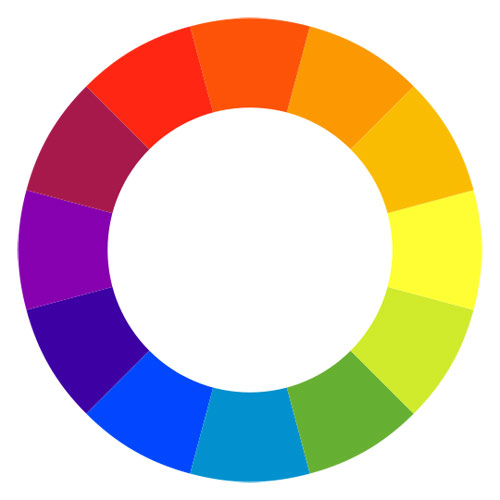
Take a close look at Matisse's painting The Dance, shown above. What is it about this painting that makes it "pop"? The dancers seem like they're almost floating on top of the background. Why is that? Matisse was a master colorist, so he chose his colors carefully. He knew that when orange and blue are placed next to each other, they each appear brighter and more intense. Here's why: Orange and blue are complementary colors. Complementary colors have a special relationship because they are opposites on the color wheel. Take a look at the color wheel below:


You'll notice that yellow and blue are also complementary colors. Red and green make up another complementary pair. When complementary colors are placed next to each other in a painting or drawing, the artwork seems to vibrate. Complementary pairs can make an artwork more eye-catching and dynamic. For this reasons, many artists (like Matisse) make the conscious choice to use complementary colors in their compositions. If you look closely at the color wheel, you'll notice that the complement of each primary color is the combination of the other two primary colors. This means that:
  • Yellow + Red = Orange, which is the complement of Blue.
  • Red + Blue = Purple, which is the complement of Yellow.
  • Blue + Yellow = Green, which is the complement of Red.
When you examine these colors on the color wheel, you can see how they are related. You will also note that the complements of the primary colors (red, yellow and blue) are all secondary colors (green, purple and orange). The next time you make art, keep the complementary colors in mind to see if you can make your painting more dynamic.
Segmation

FREE Newsletter

Join us on Facebook SegPlay® Mobile iTunes now available for iPhone and iPad

www.segmation.com